
Flavor does not always have to mean fire. At the best cafes in Orlando, chefs understand that herbs and spices can transform pizza in subtle, sophisticated ways without making it spicy. While chili flakes and hot sauces often get attention, it is the quieter ingredients—basil, oregano, thyme, fennel, coriander, and others—that quietly reshape aroma, texture, and depth. These elements elevate pizza beyond basic cheese and sauce, creating complexity that feels layered rather than overpowering.
The Difference Between Heat and Flavor
Many diners confuse spice with spiciness. Heat comes from ingredients like chili peppers that stimulate temperature receptors on the tongue. Herbs and non-pungent spices, on the other hand, influence aroma and taste perception without causing a burning sensation. They activate the senses gently, building richness and character through scent and subtle bitterness, sweetness, or earthiness. When carefully measured, herbs can brighten a pizza while allowing the main ingredients to remain balanced. A sprinkle of dried oregano enhances tomato sauce, while fresh basil softens acidity and adds freshness. The result is a slice that feels fuller and more expressive without any added heat.
Basil: Freshness That Lifts the Entire Slice
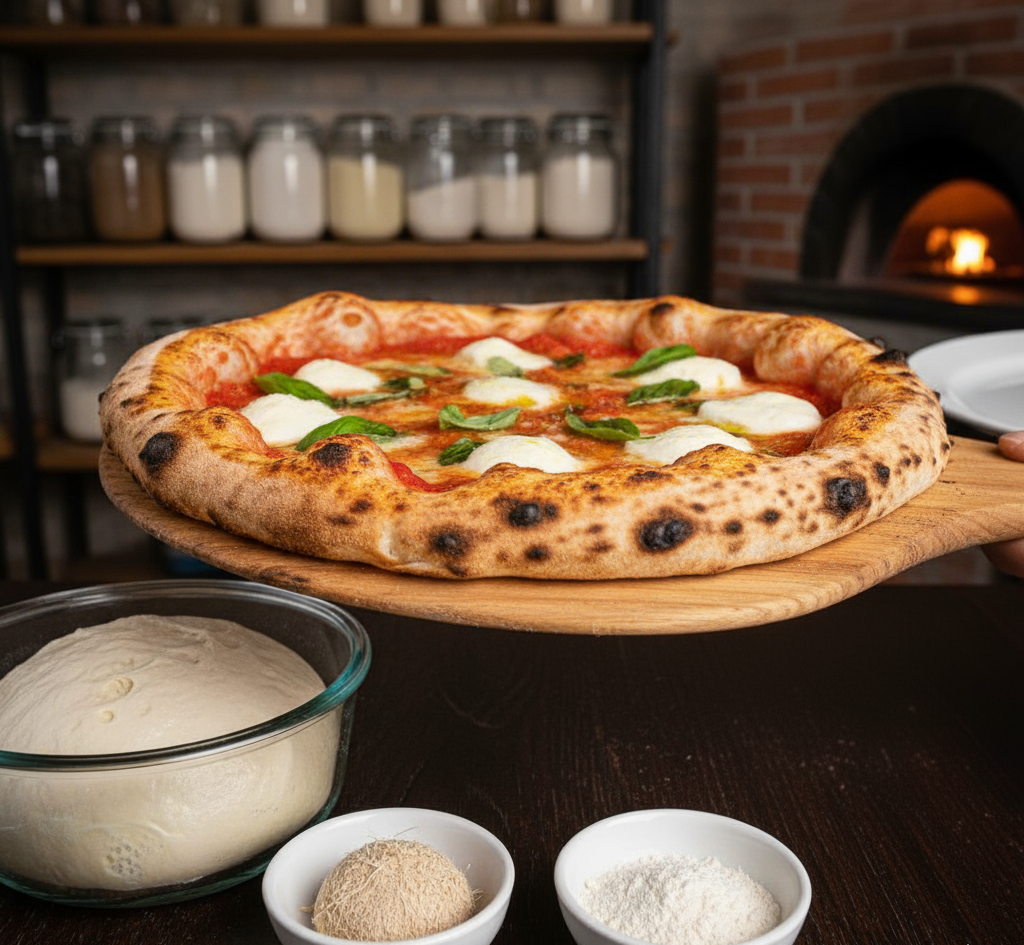
Basil is one of the most recognizable pizza herbs, yet its effect goes beyond decoration. When added after baking, fresh basil introduces a sweet, slightly peppery fragrance that lightens the richness of melted cheese. It provides contrast, preventing the pizza from feeling heavy.
Dried basil works differently. It integrates into sauce during cooking, offering a deeper, more rounded flavor. The timing of when basil is added determines whether it brightens or grounds the pizza. This precision is often what distinguishes thoughtful preparation from routine assembly.
Oregano and Thyme: Depth Without Fire
Oregano delivers a mild bitterness that enhances tomato sweetness. Its earthy profile brings balance, particularly to classic margherita or cheese pizzas. Rather than dominating the palate, oregano fills in the background, creating a sense of completeness. Thyme offers a more delicate influence. Its woody aroma pairs well with roasted vegetables and lighter cheese blends. Because thyme is subtle, it allows diners to notice complexity without feeling overwhelmed. At the best cafes in Orlando, such careful layering ensures flavor remains inviting rather than intense.
Garlic and Fennel: Subtle Warmth
Garlic often carries the misconception of being sharp or spicy. When roasted or gently sautéed, however, it becomes sweet and mellow. A thin layer of roasted garlic spread beneath cheese adds warmth and depth without creating heat. Fennel seeds, frequently used in Italian sausage, bring a faint sweetness and herbal aroma. Even in small amounts, fennel contributes complexity that feels comforting and familiar. These spices influence the perception of richness while keeping the overall flavor approachable.
The Science Behind Aroma and Taste
A large portion of what we call “taste” is actually aroma. When herbs are heated in the oven, essential oils are released into the air. These oils reach the nose before the first bite is fully chewed, shaping expectations of flavor. This sensory layering explains why pizzas seasoned with herbs feel more satisfying even when the ingredients are simple. In well-crafted recipes, seasoning is treated as a strategic decision rather than an afterthought. The goal is harmony—ensuring no single herb dominates the experience.
When Less Is More
Over-seasoning can flatten flavors instead of enhancing them. A restrained hand allows individual ingredients to remain distinct. Skilled chefs often follow a few quiet principles:
Add dried herbs early to allow infusion into sauces.
Add fresh herbs after baking to preserve aroma.
Pair earthy spices with mild cheeses for balance.
Use subtle blends rather than single overpowering notes.
These small adjustments shape how pizza feels on the palate, creating elegance without intensity.

Matching Herbs to Mood
Herbs and spices also influence how pizza fits different occasions. A basil-forward pie feels light and refreshing, ideal for daytime dining. Thyme and rosemary combinations create a cozy, evening atmosphere. Garlic and parsley add comfort to casual gatherings. None of these require heat to leave a lasting impression. Because herbs do not overwhelm, they allow pizza to remain versatile. Families, children, and guests who avoid spicy food can still enjoy bold, layered flavor. This accessibility is part of why carefully seasoned pizzas continue to grow in popularity.
Experience Flavor Without the Burn
Pizza does not need heat to be exciting. Through thoughtful use of herbs and spices, chefs craft slices that feel vibrant, balanced, and memorable. The best cafes in Orlando demonstrate how small additions of basil, oregano, thyme, and garlic can completely transform a recipe while keeping it welcoming for every palate.
If you want to explore how flavor can evolve without turning fiery, visit cafes and pay attention to the subtle notes in each bite. You may discover that the most powerful changes in pizza come not from heat, but from the quiet artistry of herbs.









Write a comment ...